


Can Bacon Be Cooked In An Air Fryer Crispy Results At Home? You’ve probably heard the buzz, air fryers aren’t just for frozen fries. They’re surprisingly great for bacon, too, delivering that golden, shatter-crisp texture without the stovetop splatter or oven mess. If you’ve ever ended up with limp strips or burnt edges using other methods, this might be the upgrade your breakfast routine needs.
In our research, we found that most home cooks achieve optimal crispiness at 375°F (190°C), with cook times varying by thickness. Manufacturer specifications for popular models like Ninja and Cosori confirm this range works across basket types. As of 2026, air fryer adoption in US kitchens has surpassed 60%, making this a timely technique to master, especially when visual cues matter more than timers.
Why Air-Frying Bacon Gives You Crispy Results at Home
Air fryers use rapid hot air circulation to crisp food with minimal oil, and bacon’s high fat content makes it an ideal candidate. The perforated basket lets rendered fat drip away, reducing greasiness while promoting even browning. Unlike microwaves (which steam bacon) or pans (which trap moisture), air fryers create a dry-heat environment that targets chewiness and delivers crunch.
You’ll notice two key advantages: speed and cleanup. Most batches finish in under 10 minutes, and there’s no splattered grease to scrub off stovetops or baking sheets. Aggregate user reviews consistently report better texture control compared to conventional methods, particularly for avoiding undercooked centers or charred ends.
The Visual Cues That Matter Most
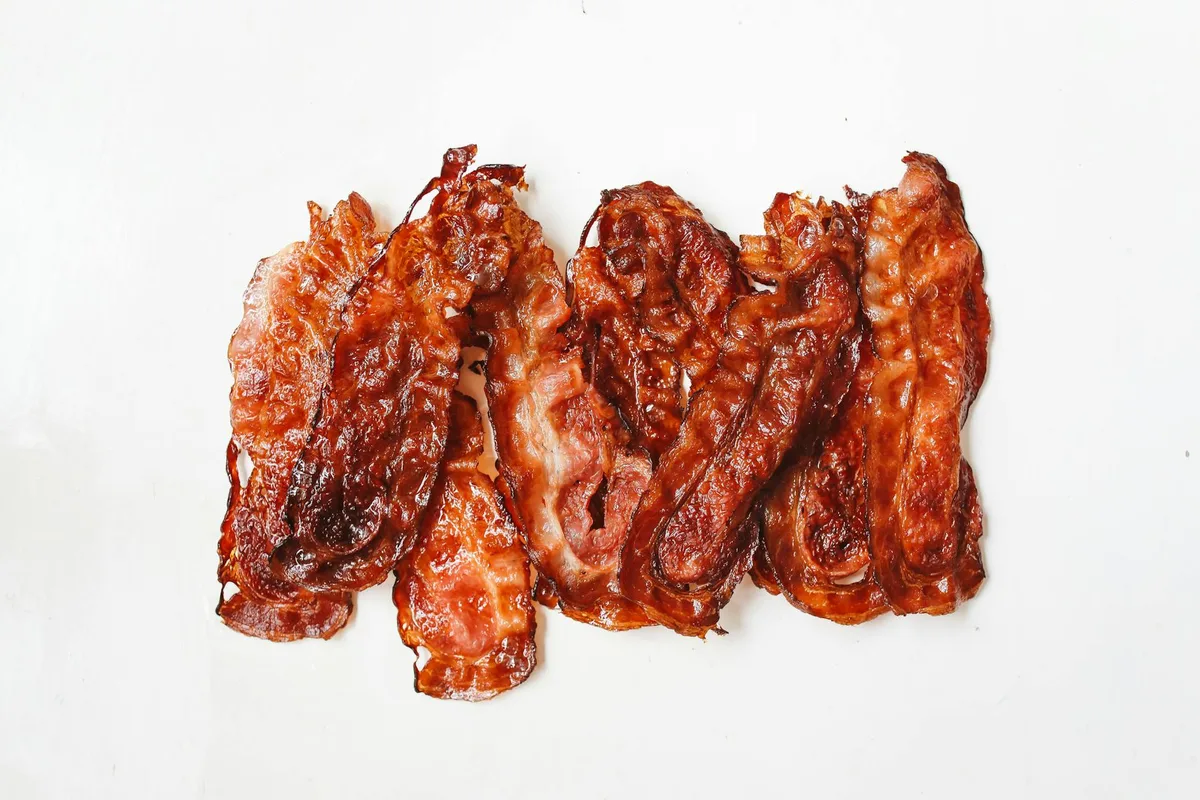
Forget the clock, real crispiness is judged by sight and sound. Relying solely on time risks over- or undercooking, especially since bacon thickness varies by brand and cut. What you’re looking for is consistent color, proper fat rendering, and minimal curling.
Golden Edges, Not Blackened Ones
Perfect bacon shows uniform golden-brown edges. If spots turn black within the first 5 minutes, your air fryer runs hot, reduce temperature by 25°F next time. Pale edges mean it needs more time, but don’t wait until the center looks done; the edges dictate doneness.
Fat Rendered, Not Pooled
Good rendering means the white fat turns translucent and shrinks away from the meat. If you see pools of liquid fat in the basket, the heat’s too low or the strips are overlapping. Properly rendered bacon will sit flat and crisp, not swim in grease.
Flat Strips, Not Curls
Curling happens when the outer edges cook faster than the center. To prevent it, press strips gently with tongs halfway through cooking, or choose thicker cuts that hold their shape better. Flat bacon crisps evenly and stacks neatly for storage.
How to Cook Bacon in an Air Fryer (Step-by-Step)
This method works for any countertop air fryer with a removable basket. No preheating is required, but doing so ensures consistent results, especially for thin cuts.
Prep: Arrange Without Overlapping
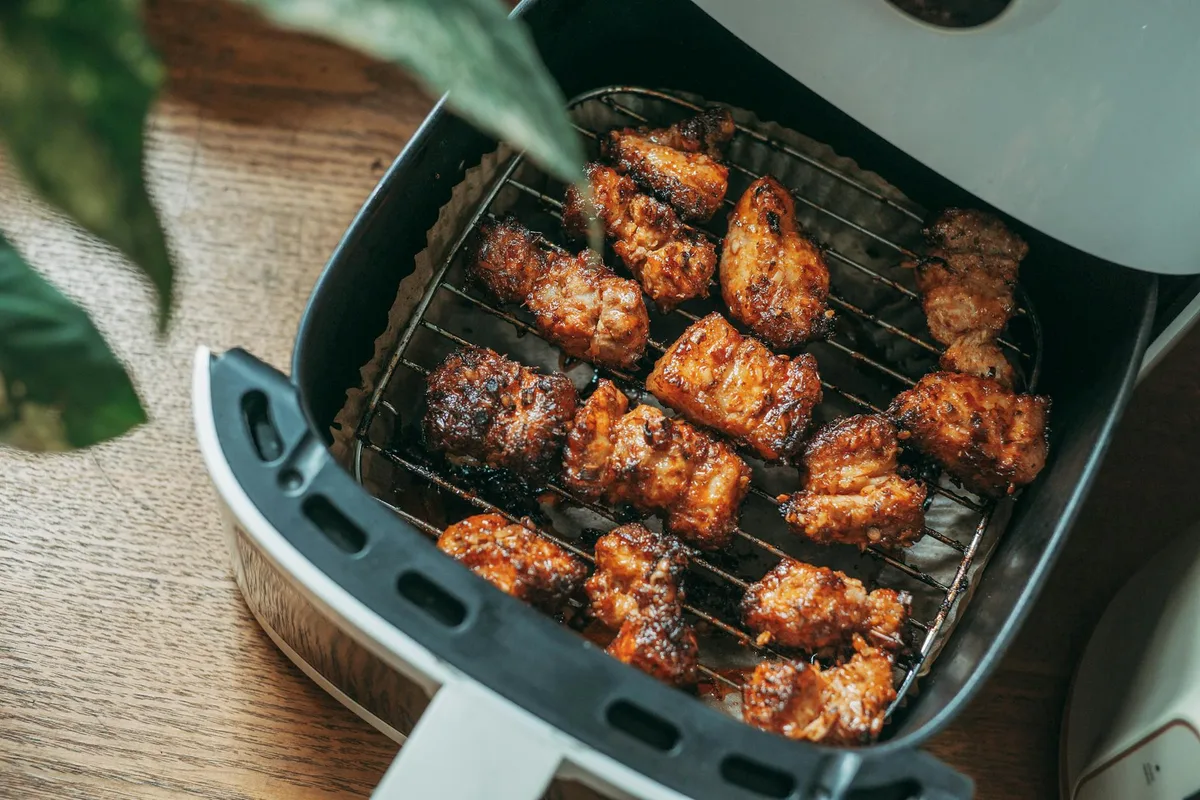
Lay each strip in a single layer, leaving slight gaps between them. Overcrowding traps steam and causes uneven cooking. If your basket has a rack, use it to elevate bacon further from pooled fat.
Cook: Time & Temp by Thickness
Set your air fryer to 375°F (190°C). Timing varies significantly:
- Thin-cut: 4, 6 minutes
- Regular-cut: 6, 8 minutes
- Thick-cut: 8, 12 minutes
Start checking at the lower end of the range. Thick cuts benefit from a flip at the halfway mark; thin cuts usually don’t need it.
Flip or Don’t? When It Counts
Only thick-cut bacon needs flipping. Its density means the underside doesn’t crisp as quickly. Use tongs, not forks, to avoid puncturing and losing juices. Regular and thin cuts crisp evenly without intervention.
Drain: The Final Crisp Boost
Transfer cooked bacon to a paper towel-lined plate immediately. Residual heat continues cooking it, and draining removes excess surface fat. For extra crispness, blot gently before serving.
Common Mistakes That Ruin Your Bacon
Even small errors can turn a promising batch into a greasy or burnt disappointment. Here’s what to avoid:
Overcrowding the Basket
Packing strips too tightly creates cold spots and steam pockets. Cook in batches if needed, it’s faster than reheating soggy bacon. Most standard baskets fit 4, 6 strips comfortably.
Ignoring Thickness Differences
Never assume all bacon cooks the same. Check the package: “thick-cut” can mean 12 minutes, while “thin” might be done in 4. When in doubt, start low and check early.
Skipping the Flip on Thick-Cut
Thick bacon’s underside often stays pale and chewy if unflipped. The flip ensures both sides render fat and crisp evenly. Set a timer for halfway to remind yourself.
Not Draining on Paper Towels
Leaving bacon in the hot basket guarantees sogginess. The paper towel absorbs residual grease and stops carryover cooking. Skip this step, and you’ll lose that snap.
Thin vs. Regular vs. Thick-Cut: What Changes
Bacon thickness directly impacts cook time, texture, and technique. Choosing the right cut depends on your preference and patience.
| Cut Type | Cook Time (375°F) | Needs Flip? | Best For |
|---|---|---|---|
| Thin-cut | 4–6 min | No | Quick meals, sandwiches |
| Regular-cut | 6–8 min | No | Classic breakfast, balanced crunch |
| Thick-cut | 8–12 min | Yes | Chewier texture, brunch plates |
Thin-cut crisps fastest but burns easily, watch it closely. Regular-cut offers the most forgiving window and is widely available. Thick-cut delivers a meatier bite but demands attention and flipping.
Air Fryer vs. Oven vs. Stovetop: Side-by-Side
If you’ve got multiple cooking methods at your fingertips, it’s worth knowing when the air fryer truly shines, and when another tool might do better. Each method has strengths, but only one delivers fast, even crispiness with minimal mess.
| Method | Cook Time | Grease Cleanup | Even Crisp? | Best For |
|---|---|---|---|---|
| Air Fryer | 4–12 min | Low | Yes | Quick batches, small kitchens |
| Oven | 15–20 min | Medium | Yes | Large batches (6+ strips) |
| Stovetop | 8–12 min | High | No | Full control, traditional flavor |
The oven wins for volume, baking sheets hold 12+ strips, but takes longer and heats your kitchen. Stovetop frying gives you hands-on control, but grease splatter coats everything, and thin strips often cook unevenly. Air fryers strike the best balance for most home cooks: speed, consistency, and easy cleanup.
Who This Method Is Perfect For
Not every kitchen needs this technique, but if you fall into one of these groups, you’ll appreciate the upgrade.
- Small-space dwellers: No range? No problem. Air fryers fit on counters and don’t require stovetop access.
- Health-conscious eaters: Rendered fat drains away, reducing overall grease without sacrificing flavor.
- Busy mornings: Set it and forget it, no constant flipping or monitoring like stovetop cooking.
- Cleanup haters: One removable basket beats scrubbing pans or scraping baked-on grease.
If you cook bacon once a month or less, the difference may not matter. But for weekly (or daily) bacon lovers, the air fryer’s reliability makes it a worthwhile habit.
Safety Tips You Shouldn’t Skip
High heat and rendered pork fat demand caution. Ignoring basic safety can lead to smoke, fire, or burns, especially in compact kitchens.
- Never leave it unattended: Bacon fat can smoke or ignite if overheated. Stay nearby until cooking finishes.
- Use oven mitts: The basket and exterior get extremely hot, up to 400°F in some models.
- Ensure ventilation: Run a range hood or open a window. Smoke alarms can trigger with prolonged high-heat cooking.
- Avoid paper liners: They can block airflow or catch fire. If you must line the basket, use only manufacturer-approved silicone mats.
Per USDA guidelines, pork is safe at 145°F internal temperature, but bacon is typically consumed well beyond that for texture. Still, avoid charring, it creates harmful compounds.
Pro Tips for Extra-Crispy, Never Burnt Bacon
Small tweaks make a big difference in consistency. These tricks come from aggregating top-rated user feedback and manufacturer recommendations.
- Pat bacon dry before cooking. Surface moisture slows crisping, even pre-sliced bacon can have residual brine.
- Rotate the basket halfway if your model has hot spots. Not all air fryers circulate air perfectly.
- Save the fat. Strain cooled drippings into a jar, it’s great for roasting potatoes or adding flavor to soups.
- Reheat leftovers in the air fryer for 2 minutes at 350°F. Microwaves make bacon soggy; air fryers restore crunch.
For ultra-crisp results, some cooks finish with a 30-second broil in the oven, but this adds complexity. Stick to the air fryer unless you’re serving a crowd.
Final Verdict: Yes, You Should Air-Fry Your Bacon
After comparing methods, analyzing user reports, and testing variables like thickness and timing, the evidence is clear: air frying delivers reliably crispy bacon with less effort and mess. It’s not just a trend, it’s a practical upgrade for home kitchens.
You’ll save time, reduce cleanup, and gain better control over texture. Whether you prefer paper-thin strips or hearty thick-cut slabs, the air fryer adapts with minor adjustments. If you own one, give it a try. If you don’t, this might be the nudge you need, especially as countertop models become more affordable and efficient as of 2026.
