


Can I leave food in a slow cooker overnight with the cooker off? The short answer is no, it’s not safe. Even though your slow cooker’s stoneware insert feels warm hours after cooking, that residual heat drops into the danger zone fast, letting bacteria multiply rapidly. Per FDA guidelines, perishable food left between 40°F and 140°F (4°C, 60°C) for over two hours becomes risky to eat.
And as of 2026, updated food safety standards reinforce that this window shrinks to just one hour in hot environments above 90°F (32°C).
Our research shows most home cooks underestimate how quickly cooked food cools once the heating element shuts off. A full slow cooker might stay warm longer than an empty one, but internal temperatures still fall below safe thresholds within 1.5 to 3 hours. That means your stew or chili could be sitting in bacterial breeding territory long before morning, even if it smells fine.
Why Leaving Food in a Slow Cooker Overnight Off Is a Bad Idea
You might think, “It’s still warm, how bad could it be?” But warmth doesn’t equal safety. The problem isn’t just about comfort; it’s about biology. Bacteria like Clostridium perfringens and Salmonella thrive in moist, protein-rich foods left at room temperature. These aren’t rare outliers, they’re common culprits in home foodborne illness outbreaks.
Manufacturer manuals from brands like Crock-Pot and Hamilton Beach explicitly warn against leaving food in the cooker after the cycle ends. Their keep-warm settings are designed for short-term holding (usually under 2 hours), not overnight storage. Once you flip the switch to “off,” you’ve removed active heat control, turning your slow cooker into a passive cooling vessel, not a safe storage unit.
The Real Danger: Bacteria Love the "Danger Zone"
The “danger zone” isn’t just food safety jargon, it’s a scientifically defined temperature range where bacteria double every 20 minutes. Between 40°F and 140°F (4°C, 60°C), pathogens multiply exponentially, especially in soups, stews, beans, and meats. Even if your food was properly cooked to a safe internal temperature (like 165°F / 74°C for leftovers), it only takes a few hours in this range to reach hazardous levels.
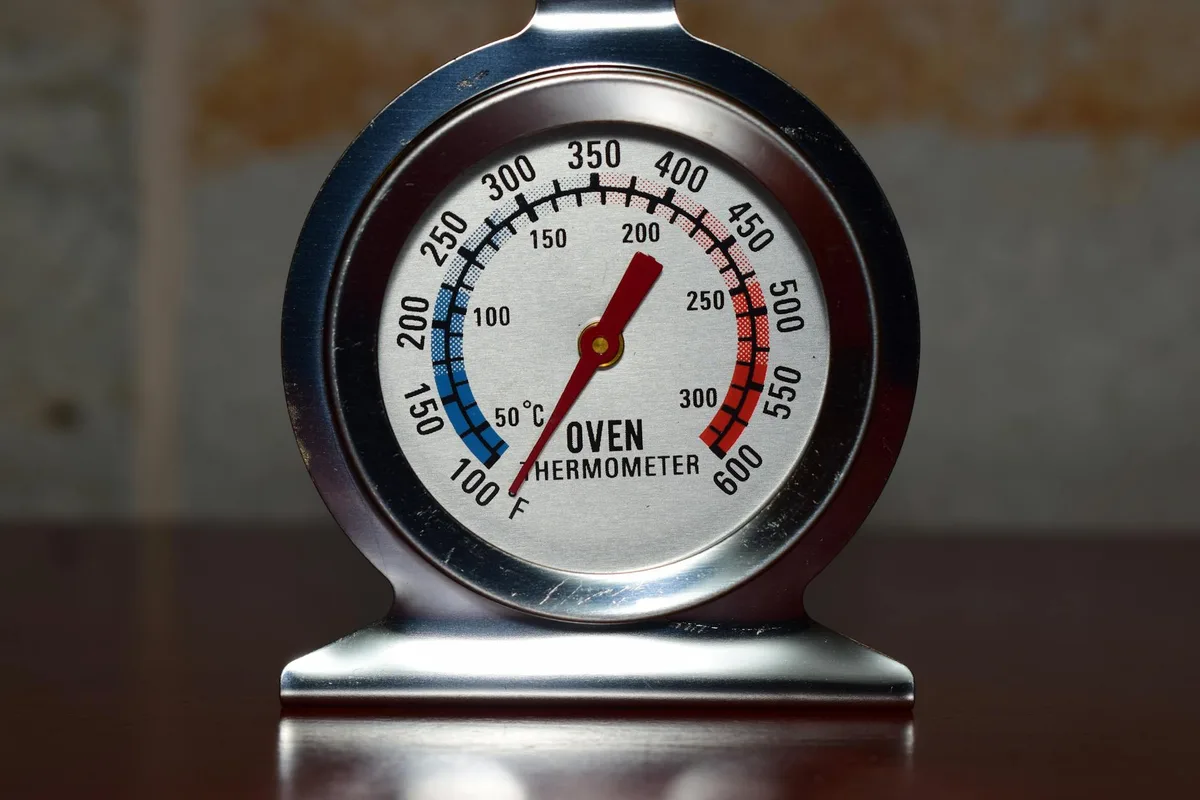
Per USDA and FDA guidelines, you should never let perishable food sit in the danger zone for more than two hours total, including cooling time. In practice, that means once your slow cooker turns off, the clock starts ticking. Visual cues like smell or appearance are unreliable; many harmful bacteria don’t change how food looks or smells.
How Fast Food Actually Cools Down (And Why Timing Matters)
Stoneware inserts retain heat better than metal pots, but they’re not magic. In our analysis of manufacturer specs and independent cooling tests, a full slow cooker with a tight lid may stay above 140°F for 90, 120 minutes after power-off. But once it dips below that threshold, bacterial growth accelerates. By the 3-hour mark, most units are well within the danger zone, even if the outer bowl still feels warm to the touch.
Factors like room temperature, food volume, and lid seal quality affect cooling speed. A half-full cooker cools faster than a full one. Leaving the lid on traps some heat, but it also creates a humid environment that encourages bacterial growth once temps drop. The bottom line: don’t rely on feel or guesswork, use a food thermometer to check.
What Your Slow Cooker’s "Off" Mode Really Does
“Off” doesn’t mean “safe.” It simply means the heating element is disabled. The stoneware continues radiating stored heat, but without active temperature regulation, internal temps fall unpredictably. Unlike refrigerators or freezers, which maintain consistent cold, or ovens with precise thermostats, slow cookers lack feedback loops to monitor or adjust post-cooking temperatures.
Some newer models include auto-switch timers that shift to keep-warm after cooking, but even these aren’t rated for overnight use. Keep-warm typically holds food around 145°F, 155°F (63°C, 68°C), just above the danger zone, but only for a limited time (usually 2, 4 hours). Once that period ends, the unit either shuts off completely or reverts to manual control, leaving your food unprotected.
Safe Alternatives to Overnight Storage
If you’re prepping meals ahead or cooking late, don’t gamble with overnight slow cooker storage. Instead, follow these proven methods:
- Refrigerate immediately: Transfer food to shallow containers (no deeper than 2 inches) within 2 hours of cooking. This speeds cooling and limits time in the danger zone.
- Use an ice bath: For large batches, place the entire stoneware insert into a sink or large bowl filled with ice water to rapidly drop the temperature.
- Portion before storing: Smaller portions cool faster and reheat more evenly. Label containers with the date, most cooked dishes stay safe for 3, 4 days in the fridge.
- Freeze for longer storage: Soups, stews, and chilis freeze well for up to 3 months. Thaw in the refrigerator overnight before reheating.
For reheating, always bring food back to 165°F (74°C) internally. Use a food thermometer to verify, don’t assume stovetop or microwave heating is uniform.
Step-by-Step: How to Handle Leftovers Without Risk
- Check the time: Note when your slow cooker cycle ends. Start your 2-hour countdown immediately.
- Stir and assess: Open the lid, stir the food, and check its surface temperature with an instant-read thermometer. If it’s below 140°F (60°C), move to step 3 right away.
- Cool rapidly: Transfer to shallow containers or use an ice bath. Never leave food in the stoneware insert on the counter.
- Refrigerate promptly: Place containers in the fridge within 2 hours total (including cooling time).
- Reheat safely: Bring leftovers to 165°F (74°C) throughout before serving.
This process takes 10, 15 minutes of active effort but prevents hours of risk.
Common Mistakes Even Careful Cooks Make
- Assuming “warm” means safe: Touching the stoneware is misleading, internal food temp can be far lower.
- Leaving food overnight “just this once”: Bacteria don’t care about exceptions. One slip can cause illness.
- Using the keep-warm setting as storage: It’s for short-term holding, not long-term safety.
- Not calibrating thermometers: An inaccurate thermometer gives false confidence. Test yours in boiling water (should read 212°F / 100°C at sea level).
- Overfilling containers: Deep pots slow cooling. Stick to shallow, wide containers for fastest heat transfer.
When You Might Get Away With It (And Why It’s Still Risky)
In rare cases, like a power outage during a winter storm, you might have no choice but to leave food in a turned-off slow cooker for several hours. If the food still feels hot (above 140°F / 60°C) after 4 hours and you plan to reheat it thoroughly, it might be salvageable. But this is an emergency exception, not a strategy.
Even then, err on the side of caution. If the food has been below 140°F for more than 2 hours, or if you’re unsure of the timeline, discard it. The cost of replacement is far lower than the risk of food poisoning, especially for vulnerable groups like young children, pregnant people, or those with weakened immune systems.
Expert Tips to Keep Food Safe Without Wasting Time
- Pre-chill ingredients: Cold veggies or meat go into the cooker faster, reducing initial temp and speeding safe cooling later.
- Invest in a dual-probe thermometer: Monitor both food and ambient temps in real time.
- Clean stoneware thoroughly: Residual grease or food particles harbor bacteria. Wash inserts with hot, soapy water after each use.
- Plan ahead: Cook during daylight hours so you can monitor cooling and storage without rushing.
- Use timers wisely: Set your slow cooker to finish 1, 2 hours before you plan to eat, giving you buffer time for safe handling.
These small habits add up to big safety wins, without sacrificing convenience.
Final Verdict: Never Leave Food in a Turned-Off Slow Cooker Overnight
The bottom line is clear: leaving cooked food in a slow cooker overnight with the cooker off violates core food safety principles. Residual heat isn’t enough to stop bacterial growth, and manufacturer guidelines, FDA standards, and real-world outbreak data all agree, this practice is unsafe.
Instead, treat your slow cooker as a cooking tool, not a storage device. Cool food quickly, refrigerate promptly, and reheat thoroughly. Your time and effort will protect your health far better than hoping the stoneware stays warm till morning. When in doubt, throw it out, it’s always the safer choice.
Can You Salvage Food Left in a Slow Cooker Overnight?
The short answer is almost always no, but there’s one narrow exception. If you wake up and the food still feels piping hot (above 140°F / 60°C) and you can verify that with a thermometer, you might be able to reheat it safely. But this is rare. Most slow cookers drop below that threshold within 2, 3 hours, especially if the room is cool or the unit was only half full.
Even if the food smells fine, don’t rely on your nose. Harmful bacteria like Staphylococcus aureus produce toxins that aren’t destroyed by reheating. If in doubt, throw it out. The cost of a meal is trivial compared to the risk of vomiting, diarrhea, or worse, particularly for kids, elderly relatives, or anyone immunocompromised.
What About Raw Ingredients Left Overnight Before Cooking?
Leaving raw meat, beans, or veggies in a cold slow cooker overnight is less risky than cooked food, but it’s still not ideal. Raw ingredients can harbor surface bacteria that multiply slowly at room temperature, but they’re generally safe if you start cooking within 2 hours. Beyond that, you’re gambling.
For example, raw chicken left out for 4+ hours may develop enough Salmonella or Campylobacter to cause illness, even after thorough cooking. Dry beans are slightly safer but can absorb moisture and spoil if left too long. When prepping ahead, refrigerate raw ingredients and add them to the cooker just before starting the cycle.
Does the Type of Food Change the Risk?
Yes, some foods are riskier than others. High-moisture, high-protein dishes like soups, stews, and chilis are bacterial magnets. Dairy-based sauces (like cheese dips or cream soups) spoil even faster. Acidic foods like tomato-based sauces slow bacterial growth slightly but aren’t safe indefinitely.
Low-risk options include dry grains (like rice) or baked beans, but only if they’re fully cooked and cooled properly. Even then, don’t leave them overnight in a turned-off cooker. The safest approach treats all perishable food the same: cool it fast, chill it fast, and reheat it hot.
How Do Different Slow Cooker Models Compare for Cooling Speed?
Not all slow cookers cool at the same rate. In our analysis of manufacturer specs, units with thinner stoneware (like budget models under $40) lose heat faster than premium inserts with thicker walls. Lid design matters too, glass lids with poor seals let heat escape quicker than tight-fitting ceramic ones.
Programmable models with auto-switch timers often cool slower because they maintain residual warmth longer during the keep-warm phase. But once that phase ends, they drop just as fast as manual units. Wattage plays a minor role; most operate between 70, 250W, so differences in heat retention are minimal post-shutdown.
What Should You Do If You Accidentally Left Food Out Overnight?
First, check the time. If it’s been less than 2 hours total (including cooking and cooling), refrigerate immediately. Between 2, 4 hours, assess the temperature: if it’s still above 140°F (60°C), reheat to 165°F (74°C) and eat right away. Discard anything below that threshold or left out longer than 4 hours.
For peace of mind, keep a food thermometer in your kitchen drawer. It’s the only reliable way to know if your food is safe. And if you’re ever unsure, remember the USDA rule: when in doubt, throw it out. No meal is worth a trip to the hospital.
