


You’ve got a cake to bake, and all you’ve got is self-rising flour. Can I use self rising flour instead of all purpose for cake? The short answer: sometimes, but not always, and when you do, you’ll need to tweak the recipe. Self-rising flour already contains baking powder and salt, which means swapping it straight into a standard cake recipe can throw off the leavening balance, leading to dense, gummy, or overly salty results.
In our research, we found that most commercial self-rising flours contain about 1.5 teaspoons of baking powder and ½ teaspoon of salt per cup of flour, based on manufacturer specifications from major U.S. brands as of 2026. That built-in lift works great for some cakes but wrecks others, so let’s break down exactly when to swap, when to skip, and how to adjust safely.
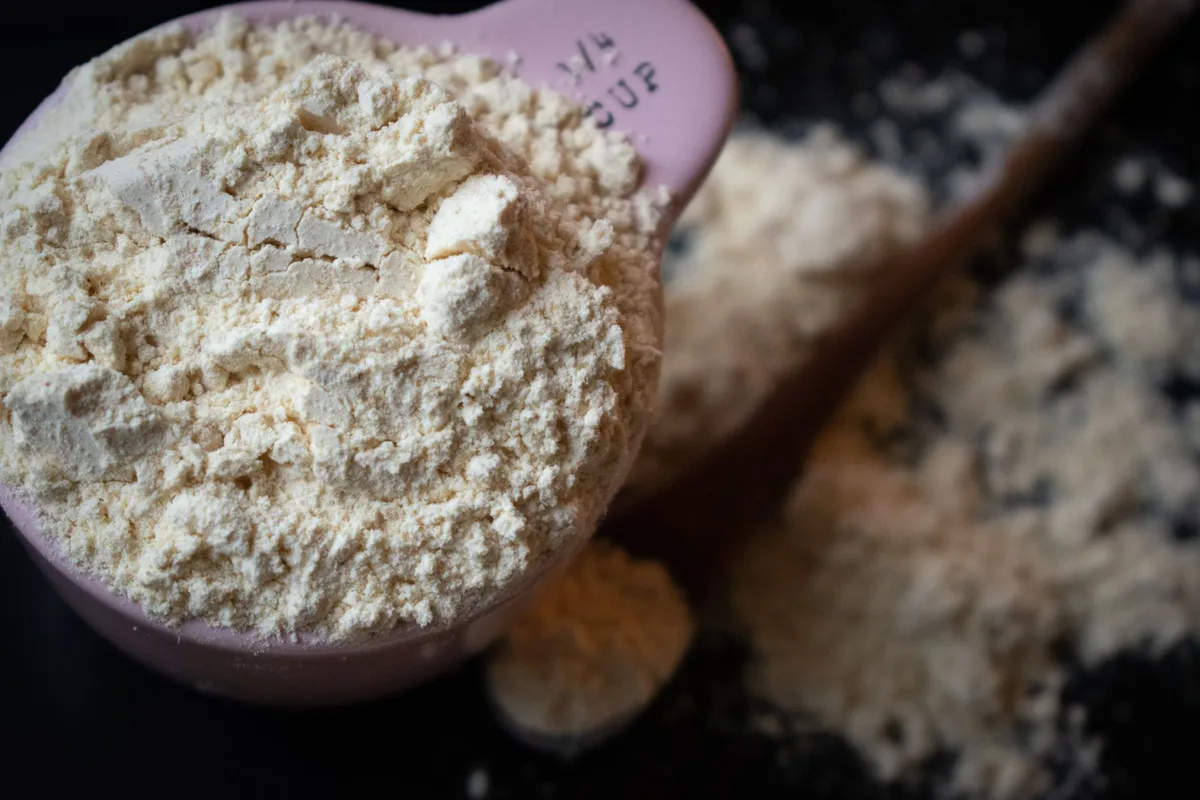
When You Can (and Can’t) Swap Self-Rising Flour for All-Purpose in Cake
If you’re making a simple, forgiving batter cake, like a basic vanilla sheet cake or a batch of muffins, you can usually substitute self-rising flour for all-purpose without any changes. These recipes are designed to handle a little extra lift, and the texture won’t suffer. But if your cake relies on precise chemical balance, think pound cake, chiffon, or anything with buttermilk, you’re better off sticking with all-purpose flour and controlling the leavening yourself.
The key issue is that self-rising flour adds both baking powder and salt automatically. Most cake recipes already include these ingredients separately, so a direct swap doubles up on leavening and seasoning. That’s why knowing your recipe’s structure matters more than just the flour type.
The Quick Fix: When It Works Without Tweaks
You’ll get away with a straight swap in recipes that are naturally tolerant of extra rise and don’t depend on acidic ingredients to activate baking soda. Think quick-mix batters that come together fast and bake immediately, there’s no time for over-leavening to cause collapse.
✅ Safe bets include:
- One-bowl sheet cakes
- Muffins and quick breads
- Simple butter cakes with minimal mixing
These batters are sturdy enough to handle the extra puff from self-rising flour’s pre-mixed baking powder. Just remember: don’t add any extra baking powder or salt, even if the recipe calls for it. Your flour already has both.
Why It’s Not Always a 1:1 Swap
Self-rising flour isn’t just all-purpose flour with a bonus, it’s a formulated product meant for specific applications like biscuits and pancakes. While the protein content is similar (around 8, 10%), the added leavening changes how the batter behaves during baking.
Too much baking powder can cause cakes to rise too fast, then collapse in the middle, leaving a coarse, uneven crumb. Excess salt can also throw off flavor, especially in delicate vanilla or almond cakes where subtlety matters. Plus, if your recipe uses an acid like buttermilk or yogurt, it’s likely balanced to react with baking soda, not the double-acting baking powder in self-rising flour. That mismatch means less rise and a flatter, denser result.
How to Adjust Recipes Safely
When you do need to substitute self-rising flour for all-purpose, the fix is simple: remove the added leavening and salt. For every cup of all-purpose flour called for, replace it with 1 cup of self-rising flour, but omit any additional baking powder and reduce added salt by ½ teaspoon.
Always sift the self-rising flour before measuring, it tends to clump, and uneven distribution can lead to pockets of raw flour or concentrated leavening. And if your recipe includes other dry ingredients like cocoa or spices, mix them thoroughly with the flour to ensure even baking.
Quick adjustment guide:
| Original Recipe Calls For | Use Instead | Adjustments |
|---|---|---|
| 2 cups all-purpose flour + 2 tsp baking powder + 1 tsp salt | 2 cups self-rising flour | Omit baking powder; use only ½ tsp salt |
| 1.5 cups all-purpose flour + 1 tsp baking powder | 1.5 cups self-rising flour | Omit baking powder; keep other salt unchanged |
This keeps the chemistry balanced while saving you a step.
Cakes That Fail with the Swap (And Why)
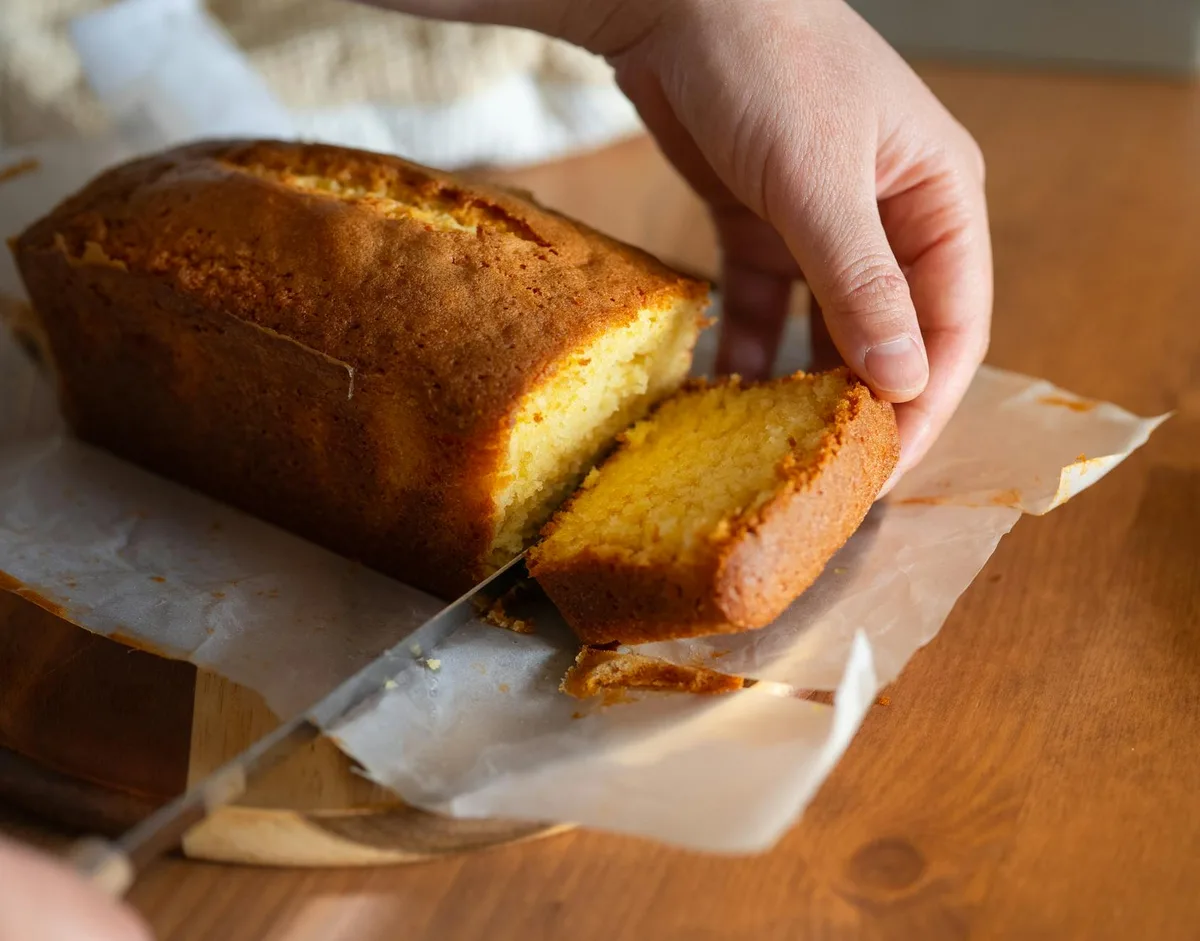
Some cakes rely on such precise chemistry that adding extra leavening turns them into sad, flat discs. Pound cake is the classic example, it’s meant to be dense and rich, with a tight crumb that holds its shape. Too much baking powder makes it rise fast, then collapse, leaving a gummy center and cracked top.
Angel food and chiffon cakes are even more fragile. They depend on whipped egg whites for lift, not chemical leaveners. Adding self-rising flour introduces unwanted baking powder that interferes with the foam structure, resulting in a heavy, rubbery texture. If your recipe calls for cake flour or whipped eggs, skip the swap.
Better Alternatives for Tender Cakes
When you need a fine, soft crumb, like in layer cakes or sponge cakes, cake flour is your best friend. It has less protein than all-purpose flour (around 7, 9%), which means less gluten development and a more delicate bite. Unlike self-rising flour, it contains no leavening, so you retain full control over rise and flavor.
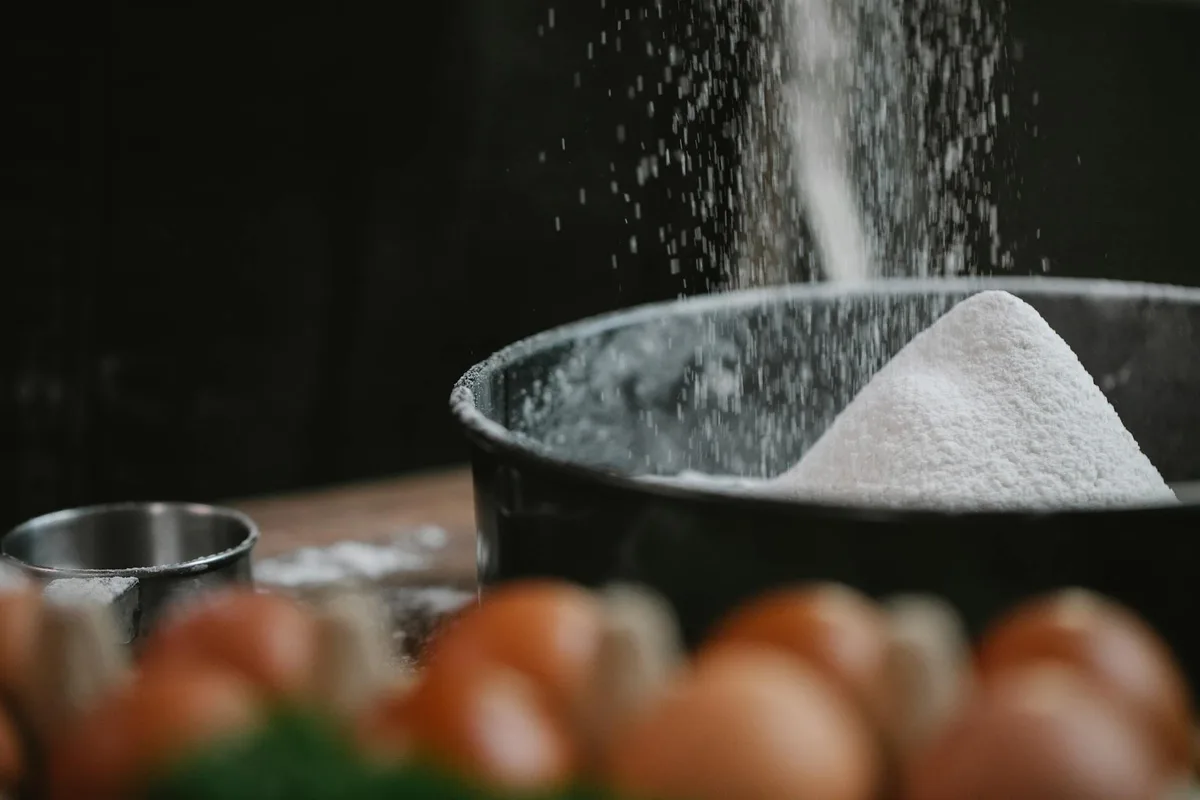
You can also make your own self-rising flour mix at home: combine 1 cup all-purpose flour, 1½ teaspoons baking powder, and ¼ teaspoon salt. Sift it twice to ensure even distribution. This DIY version lets you customize ratios for specific recipes and avoids the risk of expired pre-mixed flour losing its punch.
Common Mistakes That Ruin the Bake
Forgetting to remove added baking powder or salt is the top error we see in user reports. Even a small extra scoop can cause over-leavening, leading to large air pockets or a sunken center. Always double-check your recipe’s dry ingredients before mixing.
Using old self-rising flour is another silent killer. Baking powder loses potency over time, typically after 6 to 12 months, so if your flour’s been sitting in the back of the pantry, it might not lift at all. Check the date stamp, or test it by mixing a teaspoon with hot water; if it doesn’t fizz vigorously, it’s time to replace it.
Overmixing after substitution is equally risky. Once you add liquid, gluten starts forming. Stir just until combined, a few lumps are fine. Vigorous mixing develops too much structure, turning tender cakes into chewy hockey pucks.
Quick Decision Guide: To Swap or Not to Swap
Not sure whether your recipe can handle the change? Use this simple checklist based on cake type and ingredient profile.
| Cake Type | Safe to Swap? | Adjustments Needed |
|---|---|---|
| Sheet cake | ✅ Yes | None |
| Pound cake | ❌ No | Use all-purpose + leavening |
| Muffins | ✅ Yes | None |
| Sponge cake | ❌ No | Use cake flour |
| Buttermilk cake | ❌ No | Stick to all-purpose |
If your cake includes acidic ingredients like yogurt, sour cream, or lemon juice, avoid self-rising flour unless you’re certain the recipe accounts for the extra baking powder. When in doubt, default to all-purpose and measure your own leaveners.
Pro Tips for Reliable Results
Test small batches first, especially if you’re adapting a family recipe or trying something new. Bake a single muffin or a mini cake to check rise, texture, and flavor before committing to a full batch. This saves ingredients and prevents disappointment.
Store self-rising flour in an airtight container in a cool, dry place. Humidity accelerates baking powder degradation, so avoid keeping it near the stove or sink. Label the container with the date you opened it, and replace it within a year for best performance.
When precision matters, like in competition baking or high-ratio cakes, always use all-purpose flour. It gives you the most control, and that’s what separates good bakes from great ones.
