


Will You Get Sick If You Eat Lettuce That S Left Out Overnight? It’s a question that hits your kitchen at 2 a.m., staring down a half-eaten salad from last night’s dinner. You’re not alone, millions of us have stood there, fork in hand, wondering if wilting equals danger. The short answer is: it depends less on how sad the leaves look and more on how long they’ve been sitting in the danger zone.
In our research, we found that the FDA’s 2-hour rule for perishable foods is the clearest line in the sand. Once lettuce hits room temperature, bacteria like Listeria and E. coli can double every 20 minutes under ideal conditions. That means an overnight stay, anywhere from 8 to 12 hours, is almost always too long. Let’s break down exactly what happens, when to worry, and how to keep your greens safe.
Why This Isn’t Just About Wilted Leaves
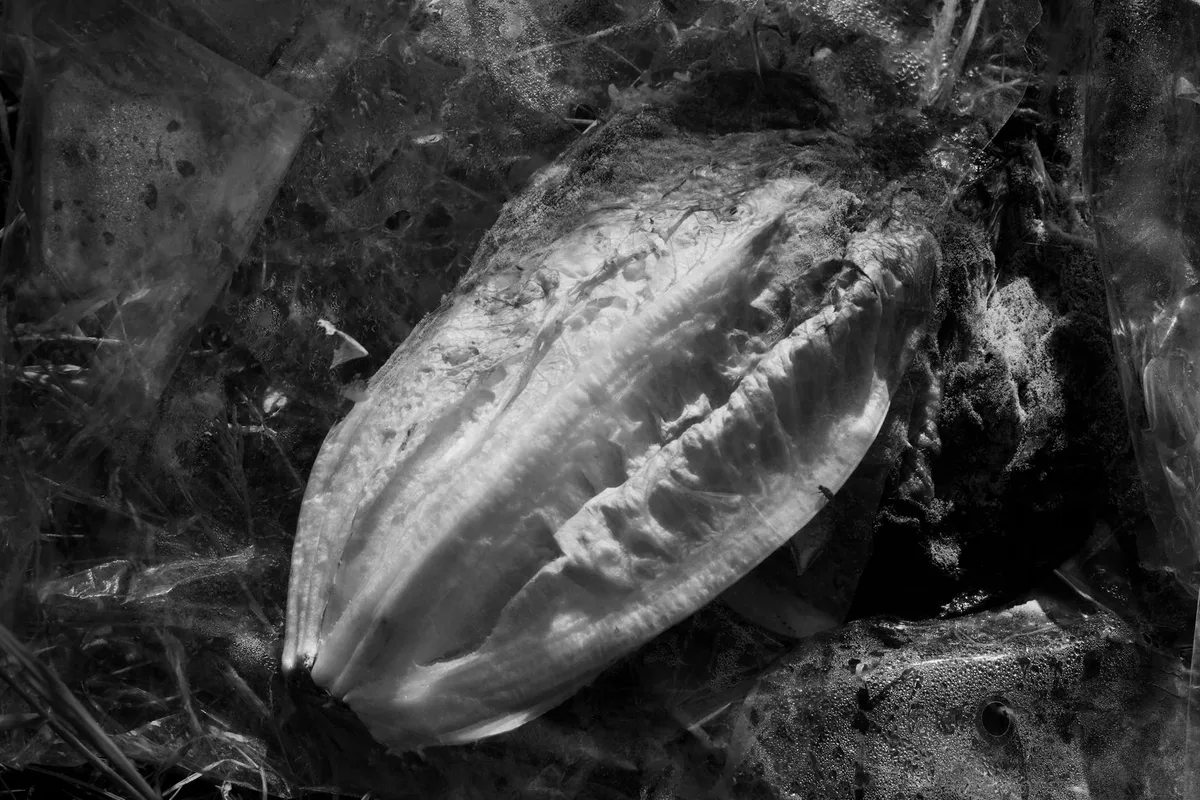
People often confuse texture with safety. Yes, lettuce left out overnight usually looks limp, maybe even slimy along the stems, but that’s not the real issue. Wilting is a moisture problem; food poisoning is a microbial one. You can have perfectly crisp lettuce that’s still unsafe, and sad-looking leaves that are technically okay if they were only out briefly.
The core concern is bacterial growth, not aesthetics. Leafy greens like romaine, butterhead, and iceberg are especially risky because their high water content and porous surfaces create ideal breeding grounds for pathogens. Even if the lettuce smells fine (and most harmful bacteria are odorless), you can’t rely on your nose or eyes to judge safety.
This isn’t about fear, it’s about facts. Per FDA guidelines updated as of 2026, any perishable food left between 40°F and 140°F (the “danger zone”) for more than two hours should be discarded. Overnight storage far exceeds that window, making risk unavoidable in most home settings.
The Real Risk: Bacteria Grow Fast on Wet Lettuce
Bacteria don’t need much to thrive: warmth, moisture, and time. Lettuce checks all three boxes the moment it’s cut or torn and left unrefrigerated. Listeria monocytogenes, Salmonella, and E. coli, all common culprits in leafy green outbreaks, can multiply rapidly once conditions are right.
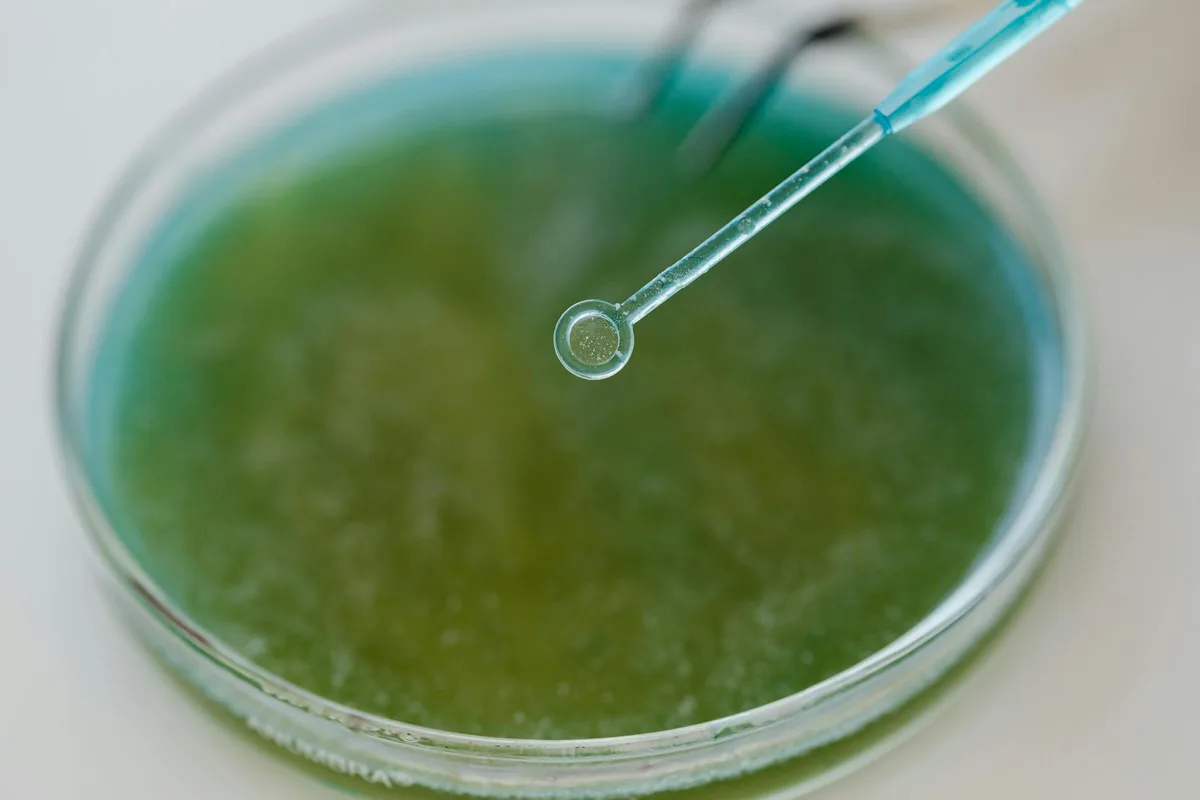
What makes this tricky is that these pathogens don’t always change how the lettuce looks or smells. A study tracking bacterial load on cut romaine showed detectable Listeria growth within 4 hours at 70°F (21°C), and exponential increases after 8 hours. That’s well before visible spoilage sets in.
Pre-washed bagged lettuce is actually higher risk than whole heads because the cutting process exposes more surface area to contamination. Plus, commercial pre-wash doesn’t sterilize, it just reduces initial counts. Once those residual microbes get warm and wet, they’re off to the races.
How Long Is “Too Long”? The 2-Hour Rule (And When It’s Just 1)
The FDA’s official guidance is clear: perishable foods shouldn’t stay in the danger zone (40°F, 140°F) for more than two hours. If the room temperature is above 90°F (32°C), think summer kitchens or unairconditioned spaces, that window shrinks to one hour.
Here’s how that plays out in real life:
| Scenario | Safe to Eat? | Why |
|---|---|---|
| Lettuce left out for 1 hour at 75°F | Likely yes | Under 2-hour threshold |
| Lettuce left out for 3 hours at 70°F | No | Exceeds safe window |
| Lettuce left out overnight (8+ hours) | Never | Far beyond any safe limit |
| Lettuce left out for 45 minutes in 95°F kitchen | Probably not | Hits 1-hour高温 rule |
Time starts ticking the moment lettuce reaches room temperature, not when you notice it’s been out. So if you made a salad at 6 p.m. and forgot it on the counter until 8 a.m. the next day, that’s 14 hours in the danger zone. No amount of rinsing or reheating will undo that.
What Actually Happens When Lettuce Sits Out Overnight
Overnight storage isn’t just a few extra hours, it’s a full bacterial growth cycle. At room temperature (around 70°F), harmful microbes can double every 20 to 30 minutes. After 8 hours, that’s potentially 16, 256 generations of bacteria on your greens.
You might see signs like:
- Slimy patches near the stem or veins
- Brown or translucent edges
- A sour or off smell (though absence doesn’t mean safety)
But again, many dangerous bacteria leave no trace. Listeria, for example, can grow at refrigerator temperatures, so even if your lettuce was briefly chilled then left out, it’s not safe. The combination of time, warmth, and moisture creates a perfect storm for contamination.
This is why the USDA and CDC consistently link leafy greens to foodborne illness outbreaks. In fact, from 2014 to 2023, lettuce and leafy greens were implicated in over 40% of produce-related E. coli cases in the U.S. Most of these traced back to improper handling after harvest, or in home kitchens.
Safe vs. Sorry: How to Tell If Your Lettuce Is Still Good
There’s no foolproof visual test, but you can use a quick checklist to assess risk:
- Was it cut or torn? Whole heads last slightly longer, but once damaged, surface area increases risk.
- How long was it out? Over 2 hours at room temp = toss it. Over 1 hour if it’s hot (>90°F) = toss it.
- Does it feel slimy or smell odd? Yes = discard immediately.
- Was it near raw meat, eggs, or unwashed produce? Cross-contamination raises stakes.
If you’re unsure, err on the side of caution. The cost of a head of lettuce is far less than a trip to the doctor for food poisoning. Symptoms like vomiting, diarrhea, fever, or muscle aches can appear within hours or take days, and some strains (like Listeria) are especially dangerous for pregnant women, older adults, and immunocompromised individuals.
When in doubt, throw it out. It’s not wasteful, it’s wise.
Best Practices for Storing Lettuce (So You Don’t Have to Wonder)
Storing lettuce properly isn’t about fancy gadgets, it’s about controlling moisture and temperature. The goal is to keep leaves crisp while slowing bacterial growth. Start by avoiding sealed plastic bags, which trap condensation and create a petri dish effect. Instead, wrap heads in a dry paper towel, then place them in a breathable container or perforated produce bag.
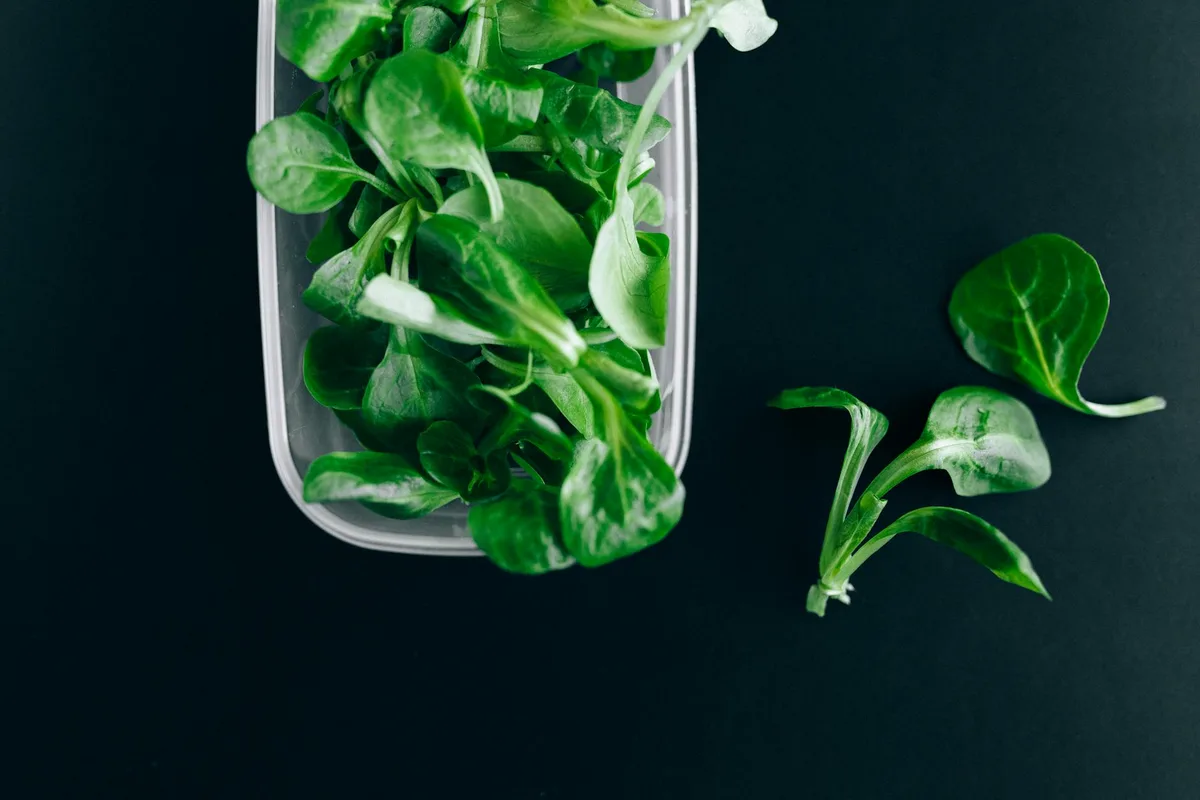
For cut lettuce, transfer it to an airtight container lined with paper towels to absorb excess moisture. Store it in the crisper drawer, where humidity is slightly higher but airflow is better than the main compartment. Whole heads of romaine or iceberg can last up to 10 days this way; delicate greens like butterhead or spring mix may only last 5, 7 days.
Never wash lettuce before storage unless you’re drying it thoroughly with a salad spinner or clean towel. Excess water speeds up decay and gives bacteria a head start. If you do pre-wash, make sure every leaf is bone-dry before sealing it away.
When to Throw It Out—No Guilt, Just Safety
If your lettuce has been out overnight, the answer is simple: throw it out. No amount of rinsing, soaking in vinegar, or reheating will eliminate pathogens that have already multiplied. The FDA’s guidance is unambiguous, perishable foods left in the danger zone for over two hours are unsafe, full stop.
This applies even if the lettuce looks fine. Listeria and E. coli don’t always cause visible changes. In fact, some studies show these bacteria can form biofilms on leaf surfaces, making them resistant to surface washing. You’re not being wasteful, you’re being smart. A dollar’s worth of lettuce isn’t worth the risk of foodborne illness.
The only exception is if the lettuce was frozen immediately after being left out (which halts bacterial growth but damages texture). Even then, it’s only safe for cooked dishes like soups, not raw consumption. When in doubt, follow the USDA’s golden rule: “When in doubt, throw it out.”
Common Mistakes That Make Leftover Lettuce Riskier
One big mistake is assuming refrigeration later fixes the problem. Once lettuce spends hours in the danger zone, bacteria have already multiplied. Putting it in the fridge slows further growth but doesn’t reverse the damage. Another error is rinsing “just in case”, this can actually spread contaminants if your sink or utensils aren’t clean.
Cross-contamination is another hidden risk. Using the same cutting board for raw chicken and lettuce, even hours apart, can transfer pathogens. Always use separate boards and wash hands thoroughly between tasks. Also, don’t rely on “sell-by” dates alone; they indicate freshness, not safety.
A head of lettuce can look fresh past its date but still harbor harmful microbes if mishandled.
Finally, many people confuse wilting with spoilage. Yes, limp lettuce is less appetizing, but it’s not necessarily unsafe if it was refrigerated properly. Conversely, crisp lettuce left out overnight can still be dangerous. Focus on time and temperature, not texture.
What to Do If You Ate Lettuce Left Out Overnight
If you’ve already eaten lettuce that was left out, don’t panic, but stay alert. Symptoms of foodborne illness can appear within 6 hours or take up to 6 days, depending on the pathogen. Watch for nausea, vomiting, diarrhea, stomach cramps, fever, or muscle aches. Most healthy adults recover within a few days with rest and hydration.
High-risk groups, pregnant women, adults over 65, young children, and people with weakened immune systems, should contact a healthcare provider immediately if symptoms develop. Listeria, in particular, can cause severe complications in these populations, including miscarriage or sepsis.
There’s no antidote for bacterial food poisoning, so prevention is key. If you’re feeling fine after 48 hours, you likely avoided illness. But if symptoms persist or worsen, seek medical attention. Always report suspected foodborne illness to your local health department, it helps track outbreaks and protect others.
Final Verdict: Should You Eat It? A Clear Yes-or-No Guide
The bottom line is straightforward: if lettuce has been left out overnight (more than 2 hours at room temperature), do not eat it. This applies regardless of how it looks, smells, or tastes. The risk of foodborne illness far outweighs any benefit.
Here’s a quick decision tree:
- Less than 2 hours out, room temp under 90°F? Safe to eat if stored properly now.
- More than 2 hours out, or over 90°F for more than 1 hour? Toss it.
- Overnight (8+ hours)? Always discard.
Stick to this rule, and you’ll avoid the most common causes of lettuce-related illness. When it comes to food safety, clarity beats curiosity every time.
